

Where Strength Sets the Course
I-Beam Steel Buildings: The Structural System Built for What Others Can’t Handle
Not every project needs an I-Beam. But when a project has wide clear span requirements, heavy structural loads, demanding site conditions, or no tolerance for field corrections — I-Beam is almost always the answer.
It’s the system we reach for when the margin for error is zero. And over twenty years of delivering pre-engineered metal buildings from South Florida to the Pacific Northwest, we’ve learned exactly what that means in practice.
What Is an I-Beam Steel Building?
WHAT IS I-BEAM IN CONSTRUCTION?
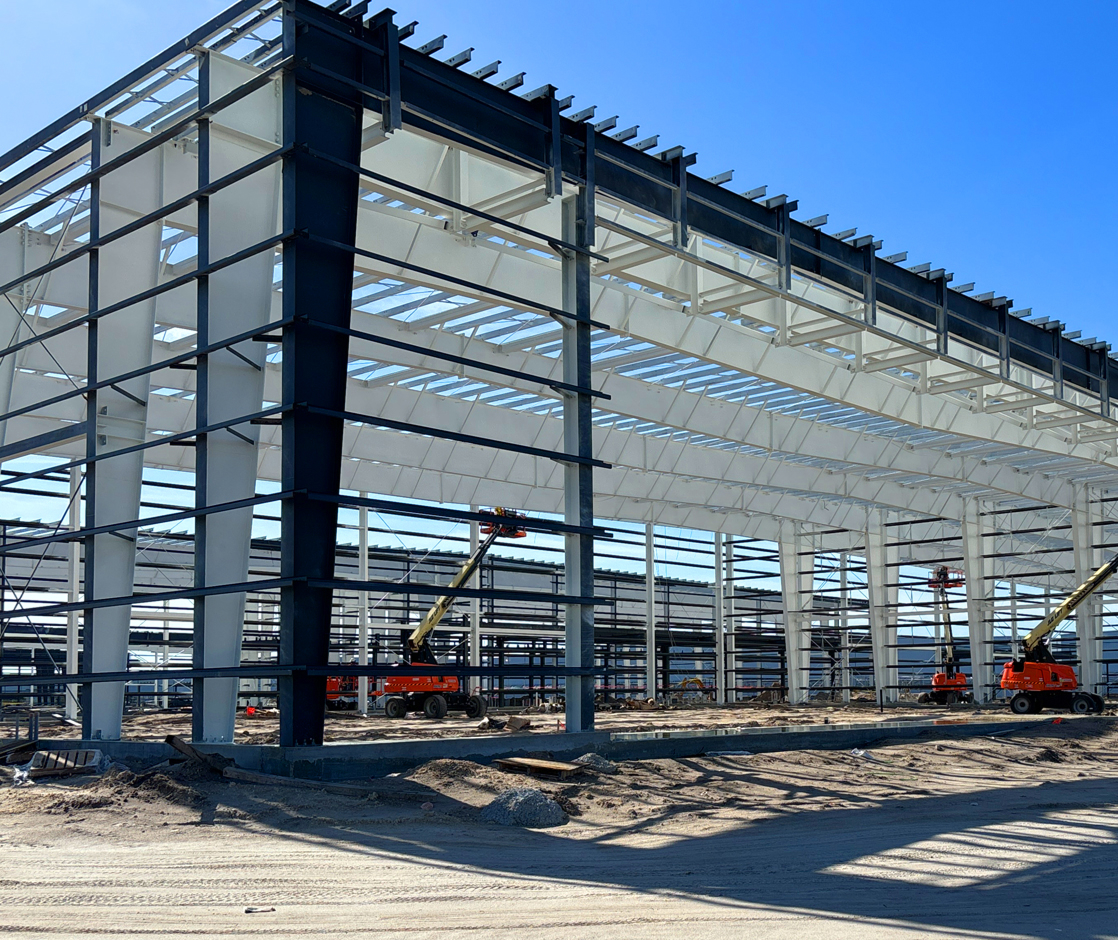
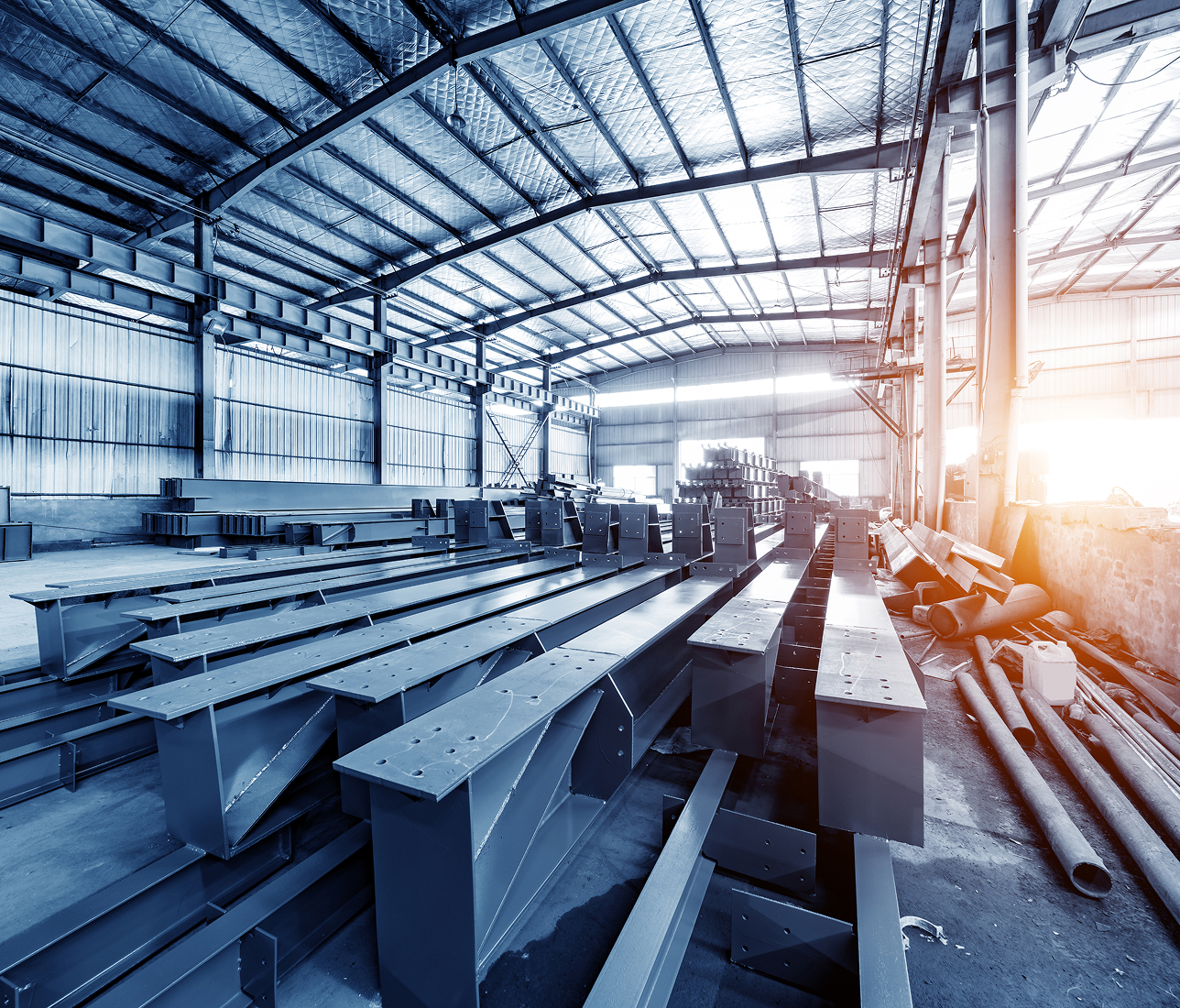
An I-Beam building is a pre-engineered metal building system whose primary structural support comes from heavy-gauge steel members shaped like a capital “I” — wide flanges connected by a vertical web. That shape isn’t aesthetic. It’s structural logic: the geometry maximizes strength along the axis where loads are applied, which is why I-Beams can carry significant weight and span long distances without interior columns getting in the way.
In a pre-engineered I-Beam building, those primary frames are custom-fabricated to your project’s exact specifications — not pulled from a catalog and adapted after the fact. Secondary members (purlins, girts, eave struts) attach to the primary frame to support wall and roof cladding. Everything is engineered as a system, fabricated off-site, and delivered ready to erect.
That off-site fabrication is what separates pre-engineered construction from conventional build methods. The engineering complexity happens before anything reaches the job site — which means faster erection, fewer field variables, and a final structure that performs exactly as designed.
What We Do
Why I-Beam. Why Not Something Else.
Other structural systems — C-Channel, light gauge steel, conventional framing — have applications where they’re the right call. I-Beam earns its place on projects where those systems run out of capacity.
Clear span is the most common driver. When interior columns aren’t an option — because of how aircraft enter a hangar, how horses move through an arena, how equipment needs to be staged in a warehouse — I-Beam delivers the span width that makes that possible. Nucor Building Systems, one of our authorized manufacturers, publishes clear spans in excess of 300 feet for I-Beam structures — no interior support required.
Load capacity is the other driver. I-Beam handles heavier roof loads, floor loads, and equipment loads than lighter framing systems. For applications where what’s going inside the building puts real structural demand on the frame — agricultural processing equipment, fleet vehicles, overhead cranes, maintenance machinery — I-Beam is built for it.
The third driver is longevity. I-Beam structures are engineered to perform for decades under real operating conditions. That means accounting for your site’s specific wind, snow, and seismic requirements — not a generic load table — and building in structural capacity that holds up as the operation grows and changes.
Versatility
One System. Nearly Every Application. I-Beam construction scales from a 50-foot automotive service bay to a 300-foot clear span industrial facility. The structural system is engineered around what the project requires — not constrained by what a standard catalog offers. Agriculture, aviation, equestrian, commercial, industrial: if the application demands structural performance at scale, I-Beam is built for it.
Cost Efficiency
The Right Spec Costs Less Than the Wrong One. The cost advantage of I-Beam construction isn’t just in materials — it’s in what doesn’t happen. No field corrections from a spec that didn’t account for actual load conditions. No value-engineering conversation two weeks before delivery because the original quote didn’t reflect what was actually being built. When every detail is locked before fabrication starts, the price you agreed to is the price you pay.
Speed
Off-Site Fabrication. Faster Erection. Because I-Beam components are engineered and fabricated off-site to exact specifications, erection timelines compress significantly compared to conventional construction. Less time in the field means lower labor costs, fewer weather-related delays, and a building that’s operational sooner. For projects with lease obligations, permit deadlines, or seasonal windows that don’t move — that compression is often what makes the schedule work.
Custom Engineering
Built for Your Site. Not the Average Site. Every I-Beam structure we deliver is engineered to your project’s specific structural requirements — the loading your site actually sees, based on where it is and what the building has to do. Door openings, clear span dimensions, floor load ratings, utility provisions, future expansion capacity: all of it resolved before the steel is manufactured. Not adjusted after the fact.
Durability
Engineered for Decades of Real Use. I-Beam structures are built from a high percentage of recycled steel — according to the Metal Building Manufacturers Association (MBMA), metal buildings are made from recycled steel and are 100% recyclable at the end of their service life. Maintenance requirements are minimal by design. And because the structure is engineered specifically for your site from the start, it doesn’t need to be reinforced, modified, or replaced when operating demands increase.
The Components Behind the Structure
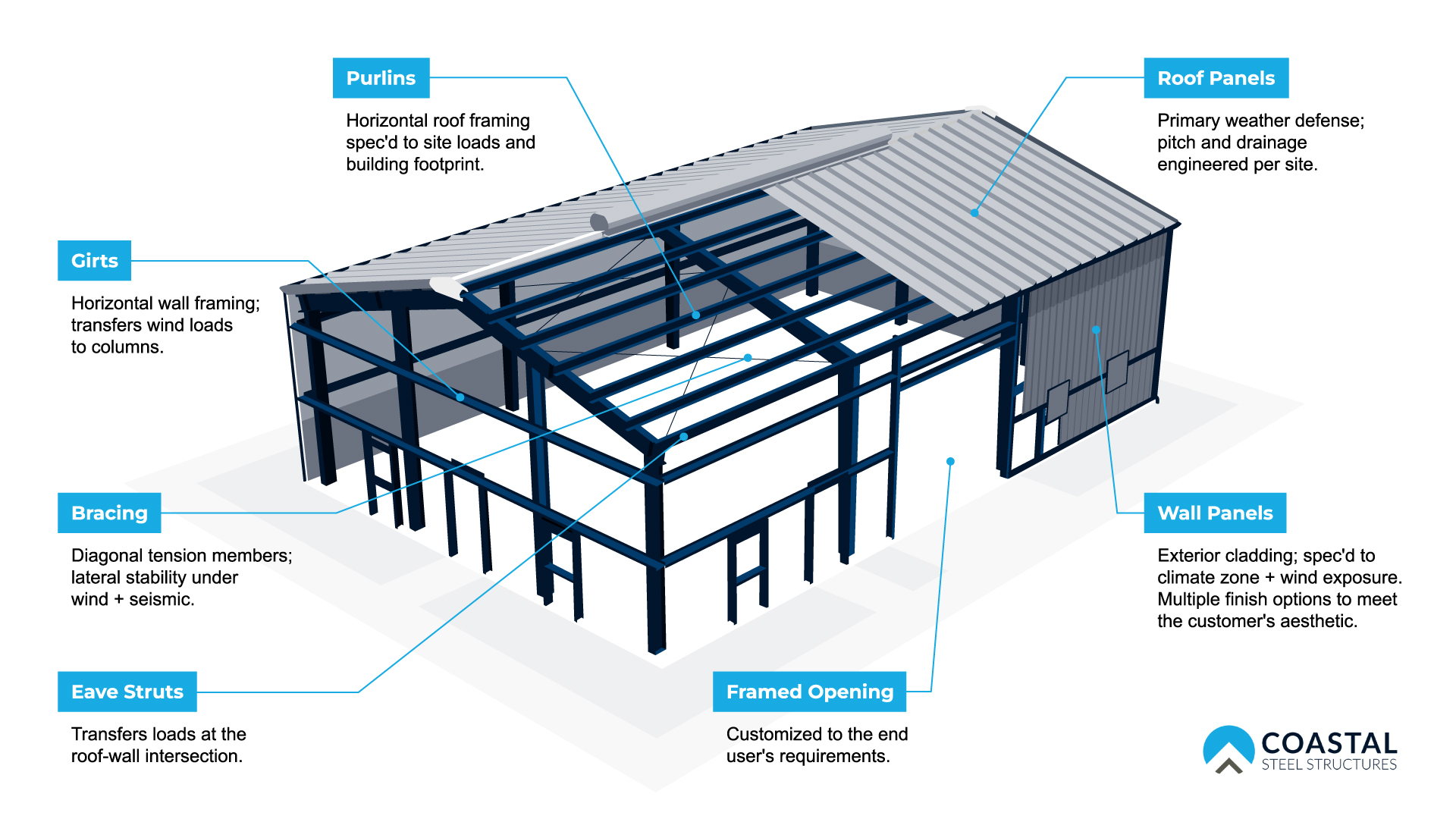
An I-Beam building is an engineered system. Every component has a specific structural job — and every job has to be spec’d correctly before fabrication begins. Here’s what makes up the frame.
Primary Frame — I-Beam Columns and Rafters The main structural skeleton of the building. Custom-fabricated I-shaped steel members form the rigid frames that carry roof and wall loads down to the foundation. Span width, eave height, and load requirements determine the profile and gauge of every primary frame member.
Eave Struts
The horizontal structural member at the intersection of roof and wall — the eave line. Eave struts transfer loads between the roof and wall systems and are critical to maintaining the building envelope under combined wind and gravity loads.
Purlins
Horizontal secondary framing members that run along the roof plane between rigid frames. Purlins support roof panels and distribute loads to the primary frame. Spacing and gauge are determined by your site’s specific load conditions — not a generic table.
Girts
Horizontal secondary framing members on the exterior walls. Girts support wall cladding and transfer wind loads to the primary frame columns. The wall equivalent of purlins — same engineering logic, different plane.
Bracing
Diagonal tension members that stabilize the structural frame against lateral forces — wind, seismic, and racking loads. Bracing is what keeps the building square and performing to its engineering specs across the life of the structure, not just at the time of erection.
Wall Panels
The exterior cladding system, engineered to your project’s climate zone, wind exposure category, and finish requirements. Panel selection affects both long-term performance and how the building presents from the outside. Both matter.
Roof Panels
The roofing system engineered for your site’s pitch, climate, and drainage conditions. The roof is the building’s primary defense against the elements — and the component where getting the spec right before fabrication has the highest downstream consequence if it’s missed.
Shaping Your Vision
Related Projects
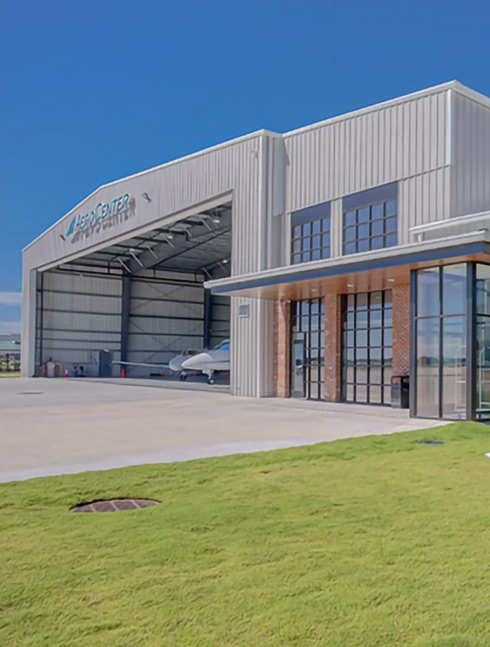
Aerocenter FBO
Aerocenter FBO
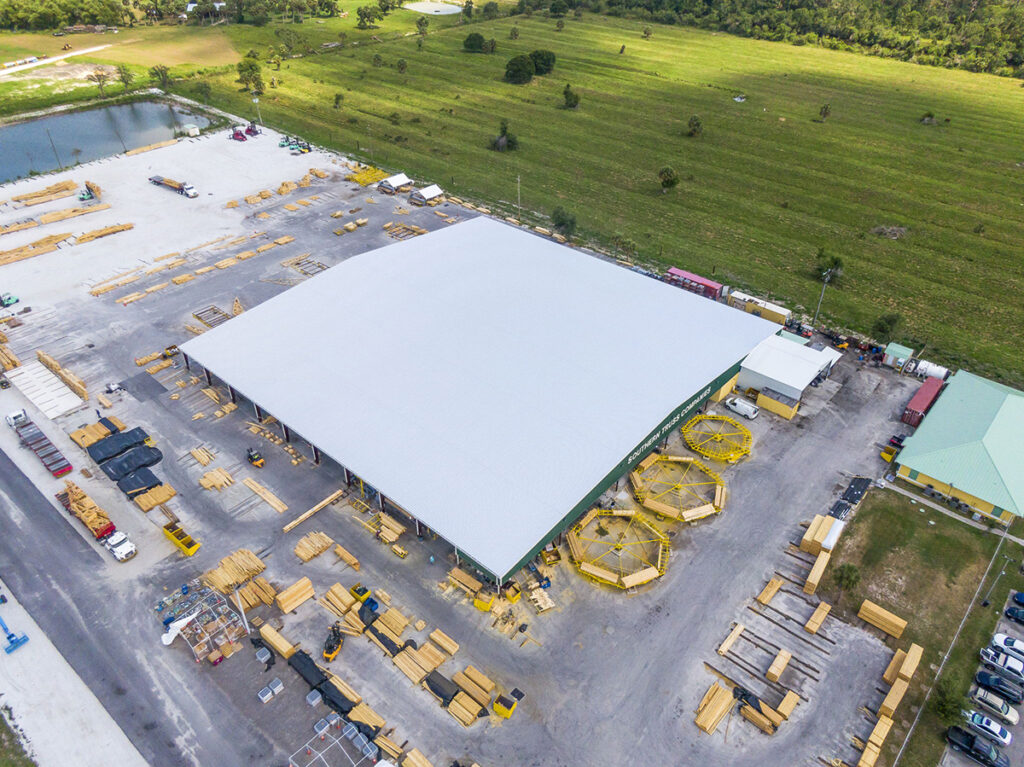
Southern Truss
Southern Truss
6-STEP PROCESS
How an I-Beam Project Gets Done Right
Every detail resolved before the steel is manufactured. That’s not a tagline — it’s the process.

Speak to a Building Expert
Not a form. Not a chatbot. A person who knows pre-engineered metal buildings and knows what questions to ask before a project gets priced. Tell us what you’re building, where it’s going, and what’s driving the schedule. That’s where a project either starts right or doesn’t.

Get a Quote and Project Scope
We source pricing through our manufacturing network and put real options in front of you before anything is committed — different price points, different lead times, different specs. Preliminary building configurations and load assumptions are on the table at this stage, not surfaced as surprises after you’ve already made decisions.

Project Manager Assigned
Your project manager is assigned before fabrication begins and stays with the job through delivery and erection. They know the scope, the schedule, and the people involved. When a question comes up — on the job site or off it — there’s someone who already has the context to answer it without a handoff.

Building Fabrication
Engineering is finalized, drawings are approved, and fabrication begins.
Every structural and dimensional detail is locked before the steel is manufacture— because changes after fabrication are expensive, and surprises on the job site are worse.

Building Delivery
Materials arrive on schedule, correctly spec’d, and staged for erection. Delivery logistics, tracking, and any pre-arrival coordination are handled by your project manager — not left for the erection crew to sort out when the truck shows up.

Building Construction
Erection begins. Your project manager stays engaged through construction — tracking progress, fielding questions, and resolving anything that comes up before it affects the schedule. The work gets done. The building performs. That’s the standard every project is held to.
Real Words From Real Customers
Testimonials
David Eckes
First time ordering up a building. Sean was VERY helpful with helping me design the structure as well as pointing out aspects of the install that I would not have caught. He went above and beyond. The ladies in the design dept rock! and Jake was very helpful as well. So far so good.
Jessica Moore
I recently inquired into purchasing a 40 x 60 Garage to store some of equipment. We live in Central PA. Coastal Steel was so helpful in the design and quoting process. They not only helped me get the best price but also made sure I was able compare apples to apples with the many other companies I engaged with. Ultimately, I chose them as my steel building company and am so happy with how my building turned out. The only thing that was better than the service I received was the actual building once it was delivered and installed!
We’ve Got Answers
Frequently Asked Questions
Are steel I-beams expensive?
Steel I-beams are competitively priced when you consider their strength, durability, and long-term value. Cost varies based on size, grade, and current steel market conditions, but I-beams often provide better value than alternatives because they require less material to achieve the same load capacity. Their efficiency means you can span greater distances with fewer support columns, which can reduce overall project costs. When you factor in minimal maintenance, fire resistance, and decades of reliable performance, I-beams deliver solid return on investment.
How far can a steel I-beam span without support?
Span capacity depends on several factors: beam size, steel grade, load requirements, and deflection limits. Residential applications might span 20 to 40 feet, while larger commercial beams can reach 60 feet or more. The key is proper engineering based on your specific loads and building codes. Our team analyzes your exact requirements, including dead loads, live loads, and environmental factors, to specify the right beam size and configuration. We don’t guess; we engineer every span to meet structural requirements and local regulations.
What is stronger than an I-beam?
In terms of raw strength-to-weight ratio for spanning applications, few structural elements outperform I-beams. However, box beams or built-up plate girders can handle heavier loads in specific situations, though they’re typically more expensive and harder to work with. Engineered trusses can span longer distances but require more vertical clearance. I-beams excel in most situations because they balance strength, cost, and practicality better than alternatives.
What sizes do steel I-beams come in?
Steel I-beams are available in a wide range of standardized sizes, typically designated by depth and weight per foot. Common depths run from 3 inches to 44 inches, with weights ranging from roughly 5 pounds per foot up to several hundred pounds per foot for the largest beams. Standard designations like W12x26 indicate a wide-flange beam that’s 12 inches deep and weighs 26 pounds per linear foot. We help you select the right size based on your span requirements, load calculations, and budget, ensuring you get exactly what the project needs.
News and Insights
Latest News

Proven Coast to Coast
Ready to Talk Through Your Project?
Whether you’re early in planning, working against a deadline, or still figuring out whether I-Beam is the right system for what you’re building — we’re a direct conversation. Tell us what you’re working on and we’ll tell you exactly where we can help.