

Where PEMB Design Meets Buildability
Architects
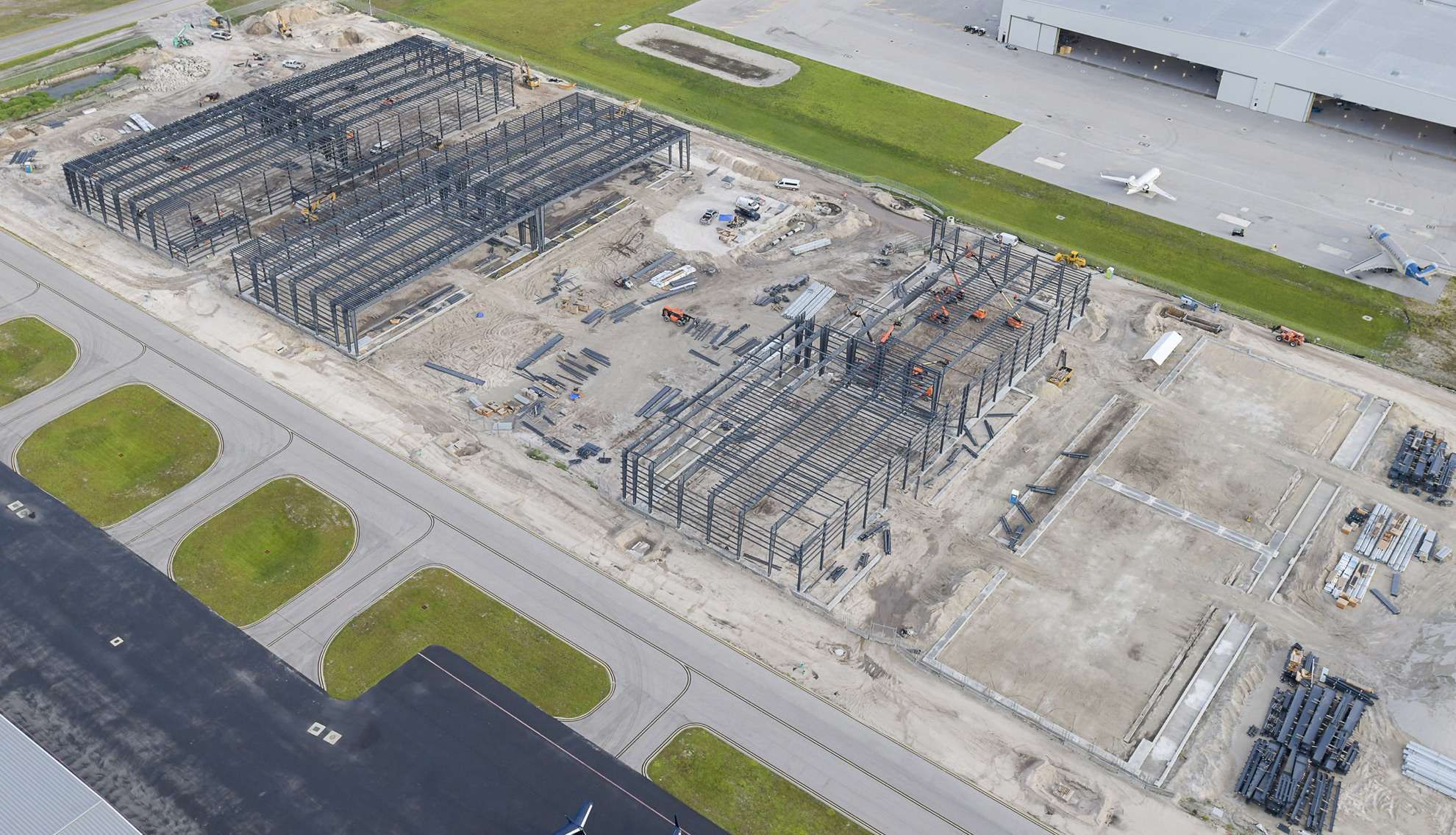
Architects shape more than buildings. They shape how spaces are experienced long after construction is complete. Every decision carries the weight of design intent, function, and use. Protecting that vision as projects move forward is where the real work begins.
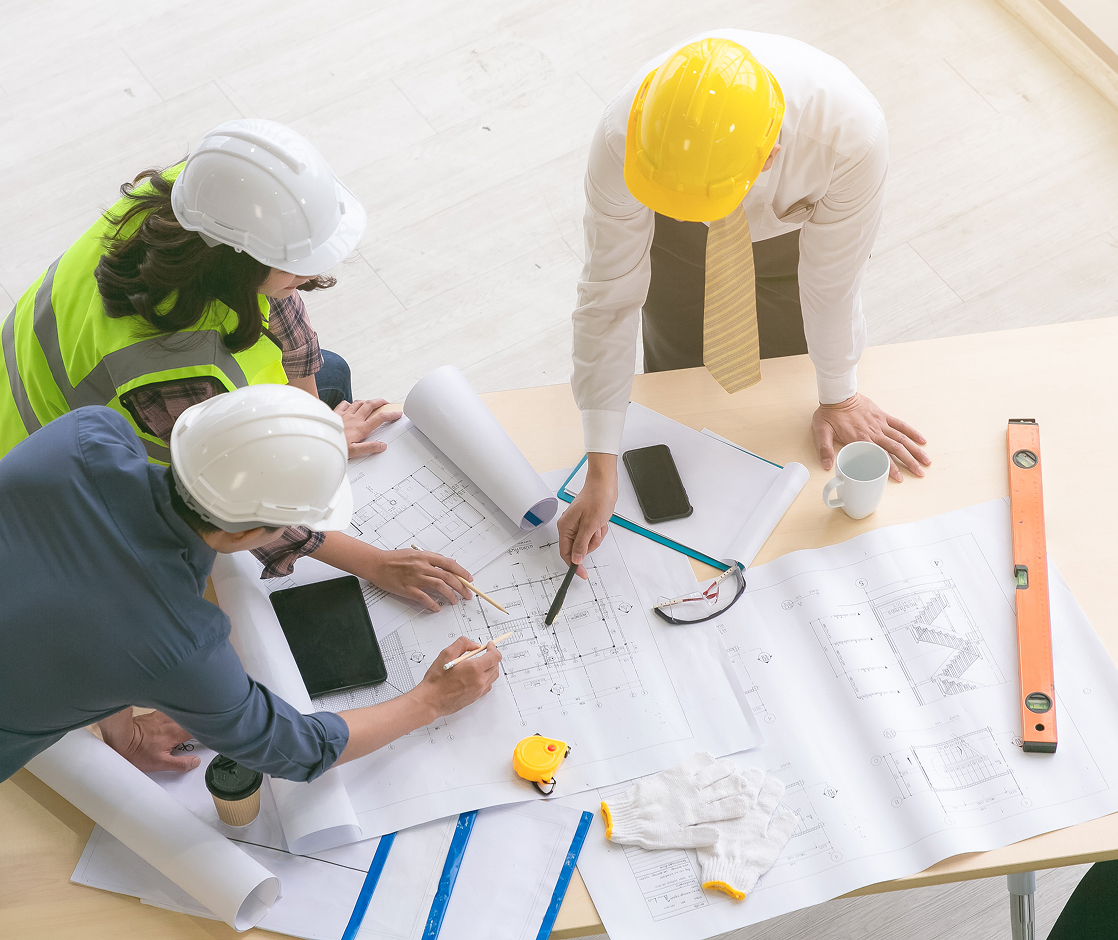
PEMB 101
More Architects Are Designing
in Steel. Here’s Why.
Rising construction costs and faster project timelines are pushing owners to ask a question architects are hearing more often:
Is there a better way to build this?
Pre-engineered metal buildings are increasingly the answer. Not because they’re the easy option — but because, when designed correctly, they outperform traditional construction on the metrics that matter most to your clients.
Speed
PEMB structures go up 30–50% faster than conventional construction, according to the Metal Building Manufacturers Association (MBMA). Components are engineered and fabricated off-site, which means less time in the ground and faster delivery for owners with hard open dates.
Cost Predictability
Pre-engineered systems can deliver up to 30% in cost savings over traditional construction — and because materials are specified and priced upfront, budget surprises mid-project are far less common.
Long-Term Performance
PEMB buildings are engineered to resist high winds, heavy snow loads, fire, and corrosion. Lower maintenance requirements and reduced insurance costs mean better total cost of ownership for your client over the life of the building.
Design Flexibility
From agricultural and industrial to commercial and aviation, pre-engineered systems can be customized to meet your design intent — without forcing you to compromise the vision. We’ve proven that coast to coast, across nearly every building type an architect is likely to encounter.
That’s not a claim we put on a brochure. It’s the reason architects keep coming back.

What We Solve
Where PEMB Projects Go
Wrong for Architects
PEMB design has specific structural and dimensional requirements that differ from conventional construction. When those requirements aren’t addressed early, the problems show up later — in the form of redraws, material conflicts, and difficult conversations with your client.
The redraw problem.
PEMB manufacturers work within defined engineering parameters. A design that doesn’t account for those parameters will need to be revised — after the fact, on your time. Early alignment prevents that entirely.
The specification gap.
General specs written for conventional construction don’t always translate to PEMB systems. Without PEMB-specific specification language, you’re leaving room for interpretation that can affect the quality, cost, and timeline of the final build.
The on-site question problem.
You did your job. The drawings are done, the specs are clear. The last thing you need is a phone call from the field about something that should have been sorted before fabrication started. That’s on us — and when we do our job right, that call never comes.
How We Work With You
Involved Early. Accurate Through the End.
Concept and Design Validation
Bring us in during the concept phase and we’ll validate PEMB design alignment before you’re committed to a direction.
We review your specs against real manufacturing parameters, flag anything that needs adjustment, and help you document it correctly from the start. The goal is simple: no redraws, no surprises, and a design that holds up through construction documents.
Value Engineering Without Compromising the Design
We don’t redesign your building — we optimize it. Our team reviews structural systems and material specifications to identify efficiencies that keep your client’s budget intact without changing what they approved. Your design intent stays intact. The cost of ownership gets better.
A Dedicated Point of Contact Through Construction
When materials arrive on site and questions come up, your project manager at Coastal handles it. You don’t need to be on site to answer questions that shouldn’t be directed to you in the first place. We stay engaged through delivery and erection so you’re not pulled back in unnecessarily.
How It Works
Three-Step Process
01
Tell Us About the Project
Early-stage concept, active design development, or a project already moving toward construction — wherever you are, we can add value. Share what you’re working on and we’ll tell you where we fit.
02
We Validate and Align
We review your design against PEMB engineering parameters, identify any spec gaps, and provide guidance on documentation that will hold up through fabrication and erection. You get a building that can actually be built the way you drew it.
03
We Stay Involved Through the Build
Your dedicated project manager handles materials coordination and on-site questions from procurement through final bolt. Your design gets executed. You stay out of problems that aren’t yours to solve.
Shaping Your Vision
Related Projects
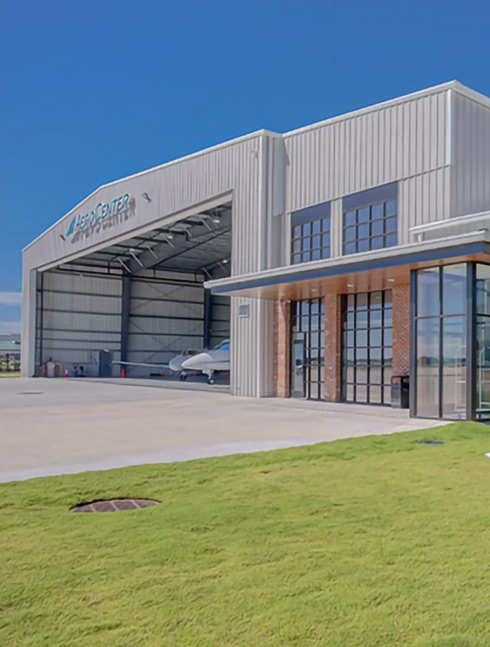
Aerocenter FBO
Aerocenter FBO
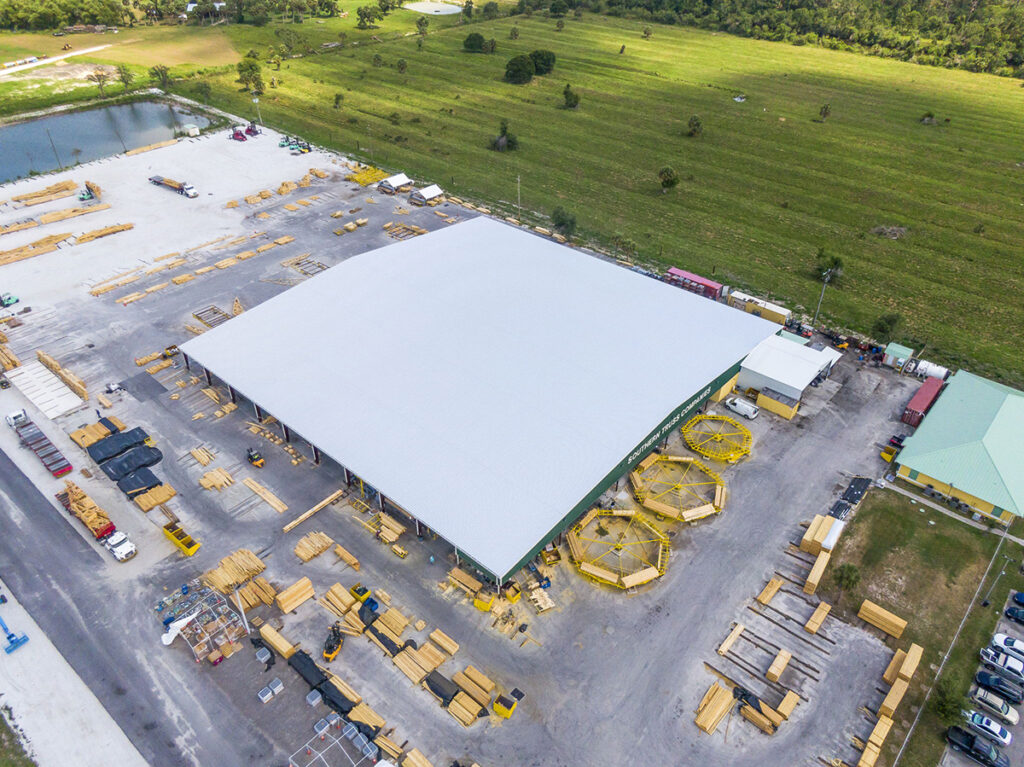
Southern Truss
Southern Truss
Real Words From Real Customers
Testimonials
Chris Angelo
My experience working with and purchasing a Nucor Pre-Engineered Steel Building from Coastal Steel Structures was exceptional. Everything from initial contact, quotation, FAQ’s, ongoing communications, arriving at building specifications/options, fabrication timeline, delivery ETA, shipping, and continued follow-up was very positive, with no issues whatsoever. I would sincerely and highly recommend Coastal Steel Structures for your PEMB Project, Thank You Coastal.
Kristopher Galloway
HIGHLY recommend! We were able to put up a 20,000 sq. Ft in less than a year from start to finish and less than 3 weeks to get the building itself up! Dan, Frank, and Matthew from coastal steel were nothing but polite and supportive no matter what was going on or the time of day it was. Best support and service I’ve ever experienced. They will not disappoint!!
We’ve Got Answers
Frequently Asked Questions
How early in the design process should I bring you in?
As early as possible — and that’s not a sales answer. The earlier we’re involved, the more we can validate your design against real PEMB parameters before you’re committed to a direction. Changes made in concept cost nothing. Changes made after construction documents cost time and money.
My firm doesn't have much PEMB experience. Is that a problem?
It’s actually the most common situation we work with. We’re available to work through spec language and design questions directly — no fee, no obligation. Bring us in early and we’ll get you up to speed on what PEMB design requires before it affects your timeline.
How customizable are PEMB structures, really?
More than most architects expect. Pre-engineered doesn’t mean pre-designed. PEMB systems can accommodate a wide range of configurations, cladding options, roof pitches, and interior layouts. The key is knowing the structural constraints upfront so your design works within them from the start — which is exactly what we help you do.
What does your project manager actually handle during construction?
Materials coordination, delivery logistics, and any field questions that come up during erection. If something arrives incorrect or a question comes up on site, your project manager handles it directly — not you, not your client.
You stay in your lane. We stay in ours.
Do you work on all building types?
Yes. We’ve delivered PEMB projects across agriculture, automotive, aviation, commercial, equestrian, industrial, office, recreational, religious, and warehouse applications. If PEMB is a viable option for the project type, we’ve likely built something similar.
News and Insights
Latest News

Proven Coast to Coast
Working on a Project That Could Be a Fit?
Whether you’re early in design or evaluating PEMB for the first time, we’re a straightforward conversation. No pressure, no pitch — just an honest look at whether a pre-engineered approach makes sense for what you’re building.